

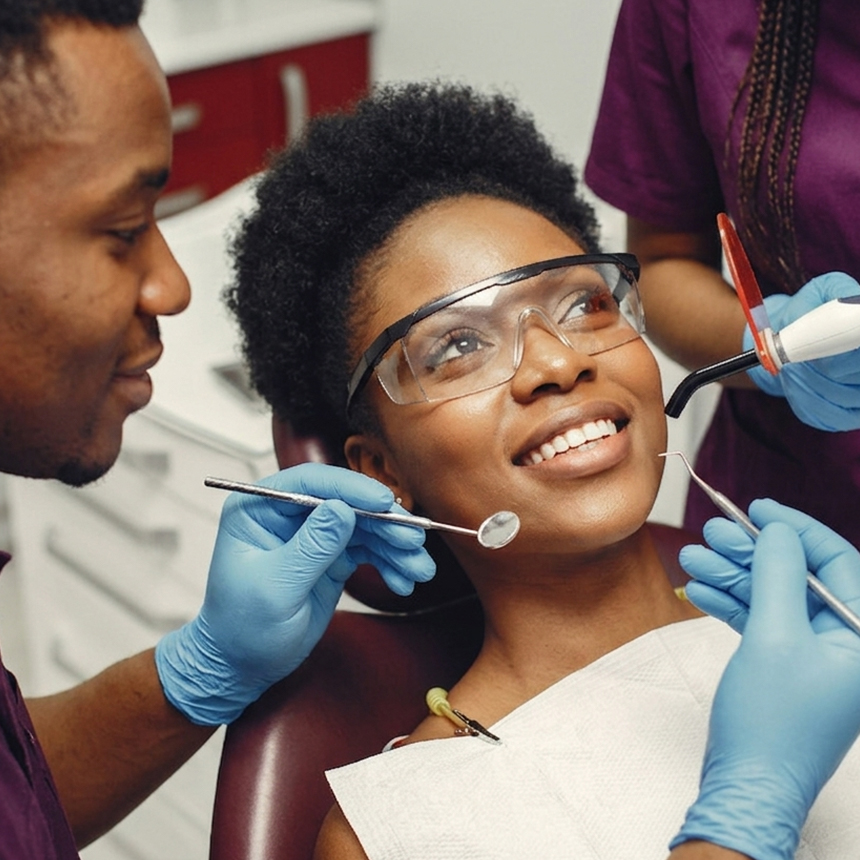
In the world of dentistry, there is a common misconception: you only need to visit the dentist when something hurts. However, the most successful and cost-effective oral health strategy is preventive dentistry. By shifting your focus from “repair” to “prevention,” you aren’t just saving your smile—you are making a smart financial investment in your future.
Why Addressing Small Issues Now Saves You Money
Many patients delay treatment for minor issues like a small cavity or slight gum inflammation because they feel “fine.” This is a costly mistake.
Dental issues are progressive—they never resolve themselves. A small, treatable cavity that costs a fraction of the price to fill today can evolve into a deep infection within months. Once that decay reaches the tooth’s nerve, you aren’t looking at a simple filling; you are looking at a root canal, a crown, and potentially an extraction.
The Financial Math of Prevention
- The Proactive Path: Regular cleanings and exams (biannual) allow us to catch issues at the microscopic stage. A simple filling is quick, affordable, and preserves the structural integrity of your natural tooth.
- The Reactive Path: Waiting for pain (an emergency) leads to complex, invasive procedures. Emergency visits often involve higher fees, and the cost of restorative work (like implants or bridges) can be 8 to 50 times higher than the cost of basic preventive care.
By investing in routine check-ups, you aren’t just paying for a cleaning—you are avoiding the “emergency tax” of advanced dental decay.
What is Preventive Dentistry?
Preventive dentistry is a proactive approach to maintaining oral health. It combines at-home hygiene with professional clinical intervention to stop diseases before they start. Key components include:
- Professional Cleanings & Exams: Removing tartar that brushing alone cannot touch and screening for oral cancer and periodontal disease.
- Dental Sealants: Thin, protective coatings applied to the chewing surfaces of molars to prevent decay in high-risk areas.
- Fluoride Treatments: Strengthening tooth enamel to make it more resistant to acid and bacteria.
- Personalized Education: Learning the most effective flossing and brushing techniques for your unique oral anatomy.
The “Whole-Body” Health Connection
Preventive dentistry is about more than just teeth. Emerging research continues to link oral health to systemic conditions. Chronic gum inflammation (periodontitis) is associated with an increased risk of heart disease, diabetes, and respiratory infections. By maintaining a clean, healthy mouth, you are actively protecting your overall immune system and systemic well-being.
Key Takeaways for Patients
- Consistency is Key: A 30-minute exam twice a year is significantly less time-consuming than managing a multi-day recovery from a dental emergency.
- Maximize Your Benefits: Most dental insurance plans prioritize preventive care, often covering cleanings and check-ups at 100%. Utilizing these benefits effectively minimizes your out-of-pocket expenses.
- Preserve Your Natural Smile: The best dental restoration is your own natural tooth. Prevention is the only way to ensure your natural teeth last a lifetime.
Frequently Asked Questions (FAQ)
Q: How often should I see my dentist?
A: For most patients, we recommend a professional cleaning and examination every six months. If you have specific conditions like gum disease or a high risk for cavities, we may recommend more frequent visits.
Q: Is preventive care actually covered by insurance?
A: In most cases, yes. Most insurance providers fully cover preventive services like cleanings, exams, and X-rays because they understand that prevention is the most cost-effective way to manage health.
Q: Can I prevent cavities at home?
A: Home care is the foundation of oral health. Brushing twice daily with fluoride toothpaste, flossing once a day, and maintaining a balanced diet are critical. However, professional cleanings are necessary to remove hardened plaque (tartar) that home tools cannot remove.
Leave a Reply