


Oral cancer, a serious yet often preventable disease affecting the mouth, lips, tongue, and throat, claims thousands of lives annually. Raising awareness about its risk factors and prevention strategies is crucial for early detection and reducing incidence rates. In this comprehensive guide, we’ll explore what oral cancer entails, key risk factors to watch for, and actionable prevention tips tailored for dental health enthusiasts.
What Is Oral Cancer?
Oral cancer refers to malignancies that develop in the oral cavity, including the lips, tongue, floor of the mouth, cheeks, palate, and oropharynx. According to the American Cancer Society, over 54,000 new cases are diagnosed in the U.S. each year, with tobacco use and heavy alcohol consumption as leading culprits. Early signs include persistent sores, lumps, or white/red patches that don’t heal within two weeks—prompting the need for professional evaluation.
Awareness campaigns emphasize that survival rates exceed 80% with early detection, underscoring why understanding risks and prevention is vital for maintaining oral health.
Key Risk Factors for Oral Cancer
Identifying risk factors empowers individuals to make informed lifestyle choices. While some are modifiable, others involve genetics or environmental exposure. Here’s a breakdown:
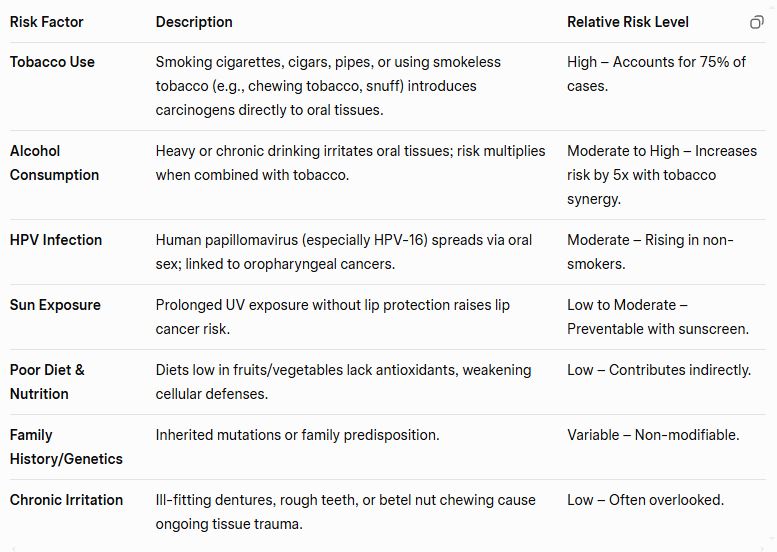
Men over 50 face higher risks, but cases are increasing among younger adults due to HPV prevalence.
Prevention Strategies for Oral Cancer
Prevention focuses on lifestyle modifications and routine vigilance. Adopting these habits can significantly lower your odds:
- Quit Tobacco and Limit Alcohol: Cease all forms of tobacco immediately—resources like the CDC’s quitline (1-800-QUIT-NOW) offer support. Keep alcohol to moderate levels (up to one drink/day for women, two for men).
- Practice Safe Oral Habits: Use barrier methods during oral sex to reduce HPV transmission. Maintain excellent oral hygiene with brushing, flossing, and antimicrobial mouthwashes to minimize irritation.
- Protect Against Sun Damage: Apply broad-spectrum SPF 30+ lip balm daily, especially outdoors.
- Adopt a Nutrient-Rich Diet: Incorporate antioxidant-packed foods like berries, leafy greens, and cruciferous vegetables to bolster immune response.
- Get Vaccinated: The HPV vaccine (Gardasil) is recommended for ages 9-45 to prevent infection-related cancers.
- Regular Dental Check-Ups: Schedule biannual visits for professional screenings. Dentists use tools like VELscope or toluidine blue to detect abnormalities early.
Self-exams are simple: Monthly, check for changes in mouth color, texture, or unexplained pain using a mirror and good lighting.
Early Detection and When to Seek Help
Awareness extends to action. Symptoms like difficulty swallowing, unexplained bleeding, numbness, or ear pain warrant immediate dental or medical consultation. Biopsies confirm diagnoses, often followed by treatments like surgery, radiation, or chemotherapy. For high-risk individuals, advanced screenings such as brush biopsies or optical aids enhance detection accuracy.
Empower Yourself with Knowledge
Oral cancer awareness isn’t just about statistics—it’s about proactive steps to safeguard your health. By mitigating risk factors like tobacco and alcohol while prioritizing prevention and screenings, you can drastically reduce your vulnerability. Share this information with loved ones, and consult your dentist for personalized advice. Early awareness saves lives—stay vigilant.
For more dental health insights, subscribe to our blog and follow us on social media for updates on emerging research and tips.
Leave a Reply