

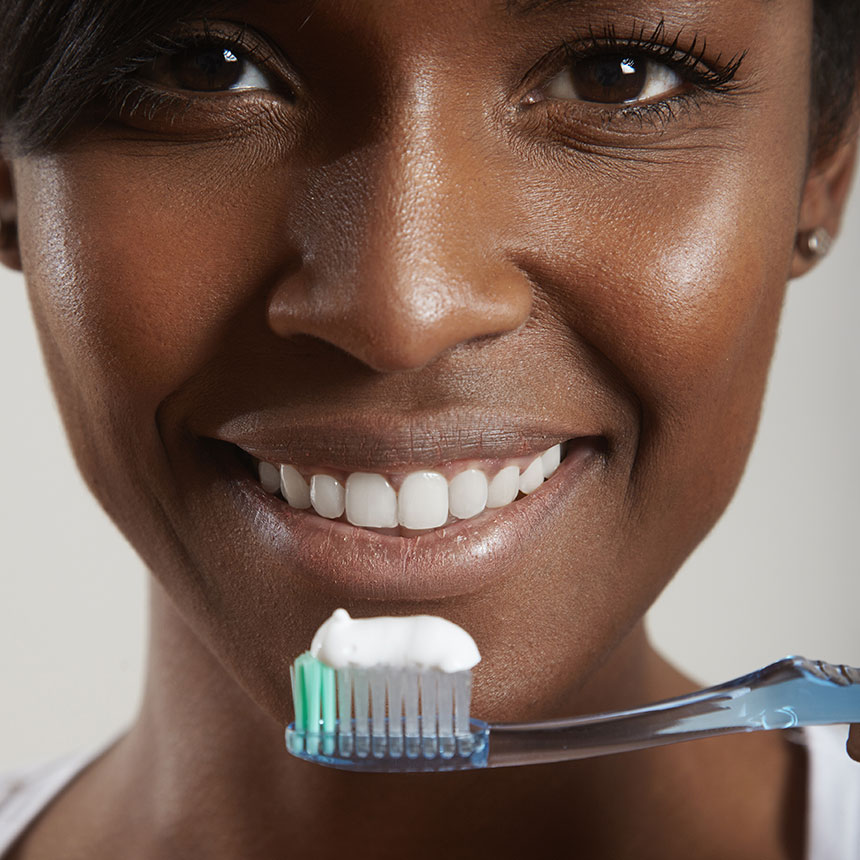
Maintaining excellent oral health is essential for overall well-being, as your mouth serves as a gateway to the rest of your body. Poor oral hygiene can contribute to issues beyond the teeth and gums, including links to heart disease, diabetes complications, and respiratory problems. Globally, oral diseases affect billions, yet most are preventable through consistent habits and awareness.
According to the World Health Organization, oral conditions impact nearly 3.7 billion people worldwide, with untreated tooth decay in permanent teeth ranking as the most prevalent health issue. Severe gum disease affects over 1 billion individuals, and complete tooth loss impacts hundreds of millions, particularly older adults.
Why Oral Health Matters for Your Entire Body
A healthy mouth supports essential functions, such as eating, speaking, and smiling confidently. Saliva naturally cleanses the mouth, neutralizes acids, and fights bacteria. When oral hygiene lapses, plaque—a sticky bacterial film—builds up, leading to acid production that erodes enamel and irritates gums.
Research consistently shows connections between oral health and systemic conditions. For instance, bacteria from infected gums can enter the bloodstream, promoting inflammation linked to cardiovascular risks. Managing oral health also aids in better diabetes control and reduces certain infection risks.
Common Oral Health Problems and Their Causes
Several issues affect people across all ages:
- Tooth Decay (Cavities): Caused by plaque bacteria feeding on sugars, producing acids that weaken enamel. Untreated, it leads to pain, infections, or tooth loss.
- Gum Disease (Gingivitis and Periodontitis): Starts with inflamed, bleeding gums from plaque buildup; advances to bone damage if ignored.
- Bad Breath (Halitosis): Often stems from bacteria, dry mouth, food particles, or underlying conditions.
- Tooth Sensitivity: Occurs when enamel thins or gums recede, exposing dentin to hot, cold, or sweet stimuli.
- Tooth Loss and Other Issues: From advanced decay, trauma, or untreated gum disease, oral cancers, and dry mouth also pose risks, especially in older adults.
Early detection through regular checkups prevents escalation.
Best Daily Practices for Strong Oral Hygiene
Adopt these evidence-based routines for lasting results:
- Brush Effectively Twice a Day — Use a soft-bristled toothbrush (manual or electric) and fluoride toothpaste. Brush for two full minutes, covering all surfaces—front, back, and chewing areas. Angle the brush at 45 degrees to the gums.
- Floss or Clean Between Teeth Daily — This removes plaque and food from areas your brush misses. Options include traditional floss, interdental brushes, or water flossers.
- Incorporate Fluoride Wisely — Fluoride strengthens enamel and reverses early decay. Most experts recommend fluoride toothpaste (1,000–1,500 ppm); some emerging options, like nano-hydroxyapatite, offer alternatives for remineralization.
- Rinse with Mouthwash (Optional but Helpful) — Antimicrobial or fluoride rinses reduce bacteria and freshen breath, especially after brushing.
- Stay Hydrated and Mind Your Diet — Drink plenty of water to rinse away debris and support saliva flow. Limit sugary/acidic foods and drinks; opt for crunchy fruits, vegetables, and dairy for natural cleaning and nutrients like calcium.
- Avoid Harmful Habits — Reduce tobacco use, limit alcohol, and wear mouthguards during sports to prevent trauma.
Prioritize brushing before bed to clear daily buildup overnight.
Recommended Professional Care and Frequency
Visit a dentist at least once or twice yearly for cleanings, exams, and X-rays as needed. More frequent visits suit those with higher risks (e.g., diabetes, smoking, or a history of decay). Professional cleanings remove tartar that home care can’t address. During appointments, ask about your current oral status, personalized hygiene tips, or early signs of issues.
Frequently Asked Questions About Oral Health
People often search for answers to these common queries:
- How often should I visit the dentist? Typically twice a year, or more if you have specific risks like gum issues or dry mouth.
- Is flossing really necessary if I brush well? Yes—brushing cleans surfaces, but flossing targets the 40% of tooth areas between teeth where decay and gum problems often start.
- What causes bleeding gums, and is it normal? Usually, early gum disease is from plaque; it’s not normal and warrants prompt attention to prevent progression.
- How can I whiten my teeth safely? Professional options or approved at-home kits work best; avoid abrasive methods that damage enamel.
- Does diet affect oral health? Absolutely—sugary/acidic items fuel bacteria, while nutrient-rich foods support enamel and gum strength.
- When should children start dental visits? By age 1 or when the first tooth appears, establish good habits early.
- Why do my teeth feel sensitive? Often, due to enamel wear, receding gums, or recent dental work, desensitizing toothpaste helps many cases.
- Can poor oral health affect my heart or other body parts? Yes—chronic inflammation from gum disease correlates with higher risks for heart conditions and other issues.
By focusing on prevention, consistent care, and timely professional input, you can significantly reduce risks and enjoy better health overall. Small daily changes yield big long-term benefits for your smile and body. If you have specific concerns, consulting a dental professional provides tailored guidance.
Leave a Reply