

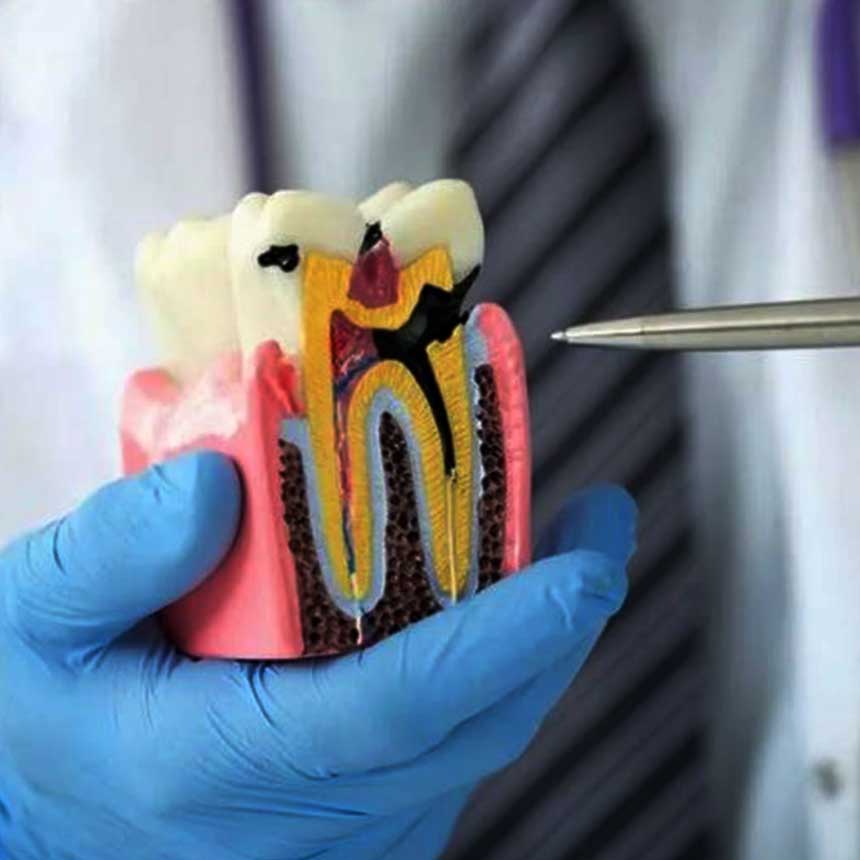
Losing or damaging a tooth due to decay, infection, trauma, or other issues can affect chewing, speaking, smiling, and overall confidence. Many patients in Lagos and across Nigeria face a dilemma: Can the tooth be saved with root canal treatment (RCT), or is extraction and replacement (with a denture, bridge, or implant) a better option? This comprehensive guide explains both options clearly, including procedures, pros/cons, costs (with Nigerian context), recovery, and decision factors. It aims to empower you with accurate information for better discussions with your dentist and improved oral health outcomes. Modern dentistry prioritizes saving natural teeth when possible, but replacement options have advanced significantly.
Understanding Root Canal Treatment (RCT): Saving Your Natural Tooth
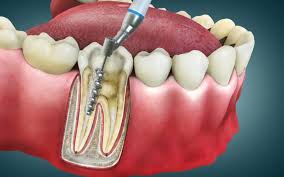
Root canal treatment, also known as endodontic therapy, is a procedure that treats the soft inner pulp (comprising nerves, blood vessels, and connective tissue) when it becomes infected or inflamed due to deep decay, repeated dental procedures, cracks, or trauma. The goal is to remove the infection, clean the canals, seal them, and restore the tooth—often with a crown for strength.
Signs You May Need a Root Canal
- Prolonged sensitivity to hot or cold
- Severe toothache, especially at night or when biting
- Swelling or tenderness in the gums
- Darkening of the tooth
- Pus or abscess (pimple-like bump on gums)
- Loose tooth or bad taste/odor
Early intervention often saves the tooth. Delaying can lead to abscess, bone loss, or the need for extraction.
The RCT Procedure: What to Expect
Modern root canals are far more comfortable than old stereotypes suggest, thanks to local anesthesia, digital imaging, and precise tools. Most take 1–2 visits (60–90 minutes each).
- Diagnosis: X-rays or CBCT (3D imaging) assess the tooth and roots.
- Anesthesia: The area is fully numbed.
- Isolation: A rubber dam keeps the tooth dry and clean.
- Access and Cleaning: A small opening is made; infected pulp is removed, and canals are shaped, cleaned with disinfectants (sometimes lasers), and irrigated.
- Filling and Sealing: Canals are filled with gutta-percha (rubber-like material) and sealed. A temporary filling is placed.
- Restoration: Usually, a permanent crown follows in a later visit to protect the weakened tooth.
Success rates are high (85–97% initially, with many teeth lasting 10–30+ years or a lifetime with good care).
Does it hurt? The procedure itself is typically painless due to anesthesia. Mild soreness or sensitivity for a few days afterward is normal and manageable with over-the-counter pain relief. Most people resume normal activities quickly.
Recovery: Tenderness lasts a few days to a week. Avoid hard/chewy foods on that side initially. Full healing of the surrounding tissues can take weeks. Maintain excellent oral hygiene and attend follow-ups.
Benefits of RCT:
- Saves your natural tooth and bite function.
- Prevents the spread of infection to the jawbone or other teeth.
- More cost-effective in the long term than extraction + replacement in many cases.
- Preserves jawbone and facial structure better than leaving a gap.
Risks/Limitations: Not 100% successful if infection is severe, roots are complex, or the tooth fractures later (treated teeth can become more brittle). Retreatment or extraction may be needed in rare cases. A crown is almost always recommended afterward.
When Extraction + Replacement Becomes Necessary
If the tooth is too damaged (vertical fracture, insufficient structure, or poor RCT prognosis), extraction may be recommended. Leaving a gap risks shifting teeth, bite issues, bone loss, and aesthetic problems. Replacement options restore function and appearance.
Tooth Replacement Options Compared
Here’s a clear comparison of common replacements:
1. Dental Implants (Titanium post surgically placed in jawbone, topped with abutment and crown)
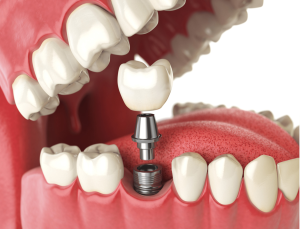
- Pros: Most natural look/feel/function; preserves jawbone (stimulates it like a root); no impact on adjacent teeth; high longevity (20+ years or lifetime with care); excellent chewing; stable.
- Cons: Higher upfront cost; requires minor surgery and sufficient bone (grafting possible); healing takes 3–6 months before final crown.
- Best for: Single or multiple missing teeth in healthy patients wanting a permanent solution.
2. Dental Bridges (Artificial tooth/teeth anchored to crowns on adjacent natural teeth)
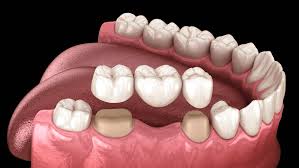
- Pros: Fixed (non-removable); faster completion (2–3 weeks); lower initial cost than implants; good aesthetics.
- Cons: Requires altering healthy adjacent teeth; does not prevent bone loss under the gap; lifespan 5–15 years (may need replacement); higher long-term cost due to potential repeat work.
- Best for: 1–3 missing teeth with strong adjacent teeth; patients wanting a quicker, non-surgical fixed option.
3. Dentures (Removable partial or full sets; can be conventional acrylic or implant-supported for better stability)
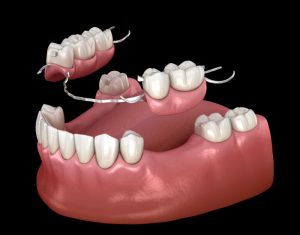
- Pros: Most affordable upfront; non-surgical; replaces multiple or all teeth; relatively quick.
- Cons: Can slip/move (affecting speech/eating); accelerate bone resorption over time; less natural feel; require daily removal and cleaning; adjustments or replacements every 5–8 years.
- Best for: Multiple missing teeth, limited budget, or when bone/jaw health limits implants.
Implant-Supported Dentures or Bridges: Hybrid options combining the stability of implants with denture/bridge convenience—ideal for full-arch restoration.
Key Comparison Table (Approximate Global Figures; Varies by Location)
- Implants: $3,000–$6,500+ per tooth; 20+ years lifespan; preserves bone; surgery required.
- Bridges (3-unit): $2,000–$5,000; 5–15 years; affects adjacent teeth; no bone preservation.
- Dentures: $800–$2,500+ per arch; 5–10 years; removable; lower function.
Long-term value: Implants often cost less over 20 years due to durability, while bridges and dentures may need repeats plus potential complications.
Nigerian 2026 estimates): Costs vary widely by clinic, materials, dentist expertise, and imaging needs.
- RCT + crown: Often more accessible than full replacement.
- Implants: Reportedly ₦800,000–₦1,600,000+ per tooth (higher in premium Lagos clinics; multiple teeth or full mouth scales up significantly).
- Bridges and dentures: Generally lower upfront.
Always get personalized quotes, as factors like bone grafting, 3D planning, or premium implants affect pricing. Some clinics offer payment plans. Dental tourism within or to Nigeria can provide value with quality care at competitive rates.
Root Canal vs. Extraction + Implant: How to Decide
- Save the tooth (RCT + crown) if: Sufficient healthy structure remains, good RCT prognosis, and you prefer keeping the natural tooth. Often cheaper and faster initially.
- Extract and replace if: Tooth is unrestorable, RCT success is low, or you want optimal long-term function/bone preservation (favoring implants).
Your dentist or endodontist will use X-rays/CBCT, clinical exam, and your overall health/budget to recommend the best path. Consider age, medical conditions (e.g., diabetes affects healing), smoking, oral hygiene, and the condition of adjacent teeth.
Other Important Information for Patients
- Prevention is key: Regular check-ups, cleanings, fluoride, and addressing decay early reduce the need for major treatments.
- Aftercare for all options: Excellent brushing/flossing, regular dental visits, nightguards if grinding, and a balanced diet.
- Risks of inaction: Infection spread, pain, tooth loss, shifting teeth, jaw issues, and nutritional problems from poor chewing.
- Advancements (2025–2026): CBCT/3D imaging, laser-assisted RCT, AI diagnostics, guided implant surgery, bioactive implant surfaces for faster integration, same-day options, and digital workflows improve precision, comfort, and success.
- Insurance/Financing: Coverage varies; many plans help with RCT more than implants. Explore local options or plans in Nigeria.
Frequently Asked Questions
Is root canal treatment painful?
Usually not during the procedure (thanks to anesthesia). Mild post-op discomfort is common but short-lived and less painful than the original infection.
How long does a root canal or implant last?
RCT + crown: Many years to lifetime with care. Implants: 20+ years or lifetime. Bridges/dentures: Shorter, with maintenance.
Which is cheaper long-term: RCT or implant?
RCT is often more affordable upfront and can be cost-effective if the tooth lasts. However, a failed RCT leading to extraction + implant may make early implant consideration worthwhile in some cases.
Can I eat normally after treatment?
Yes, after healing and final restoration. Implants and well-fitted bridges/dentures restore strong chewing.
Is dental implant surgery safe?
High success rates (often 95%+) with proper planning. Choose experienced providers.
How do I choose a dentist in Lagos?
Look for qualifications, modern equipment (digital X-rays, CBCT), patient reviews, and clear communication. Ask about success rates, materials, and aftercare.
Taking the Next Step Toward Better Oral Health
Don’t delay treatment—untreated issues worsen and become more expensive. Schedule a consultation with a qualified dentist or endodontist for a personalized assessment, including X-rays and a discussion of your options, timeline, and costs.
At clinics in Lekki, Amuwo, Sangotedo, Alimosho, Lagos, or nearby, professionals can guide you based on your specific situation. Prioritize experience, technology, and patient-centered care for the best results.
Maintaining your smile boosts confidence, nutrition, and quality of life. Whether saving a tooth with RCT or opting for a modern replacement like an implant, today’s options deliver reliable, natural-looking outcomes.
This article is for educational purposes only and is not a substitute for professional dental advice. Consult your dentist for diagnosis and treatment recommendations tailored to your needs. Costs and availability can change; verify with local providers.
Ready to restore your smile? Contact Hilton Dental Clinic today for an evaluation. Early action often means simpler, more affordable solutions and better long-term results. Your oral health is worth it.
Leave a Reply