

April is Oral Cancer Awareness Month, a vital time to spotlight cancers affecting the mouth, lips, and throat. These cancers, also referred to as oral cavity (mouth and lips) and oropharyngeal (throat) cancers, are often overlooked; yet, early detection can dramatically improve outcomes. With projections showing about 60,480 new cases and 13,150 deaths in the United States alone for 2026, raising awareness saves lives.
Globally, hundreds of thousands are diagnosed each year. The good news? Many cases are preventable, and routine screenings catch problems early when treatment is most effective. This comprehensive guide covers everything you need to know, including what oral cancer is, why early detection is crucial, key risk factors, warning signs, and proven prevention steps. Whether you’re searching for “oral cancer symptoms,” “throat cancer risk factors,” or “how to prevent mouth cancer,” you’ll find clear, actionable answers here.
What Are Oral, Lip, and Throat Cancers?
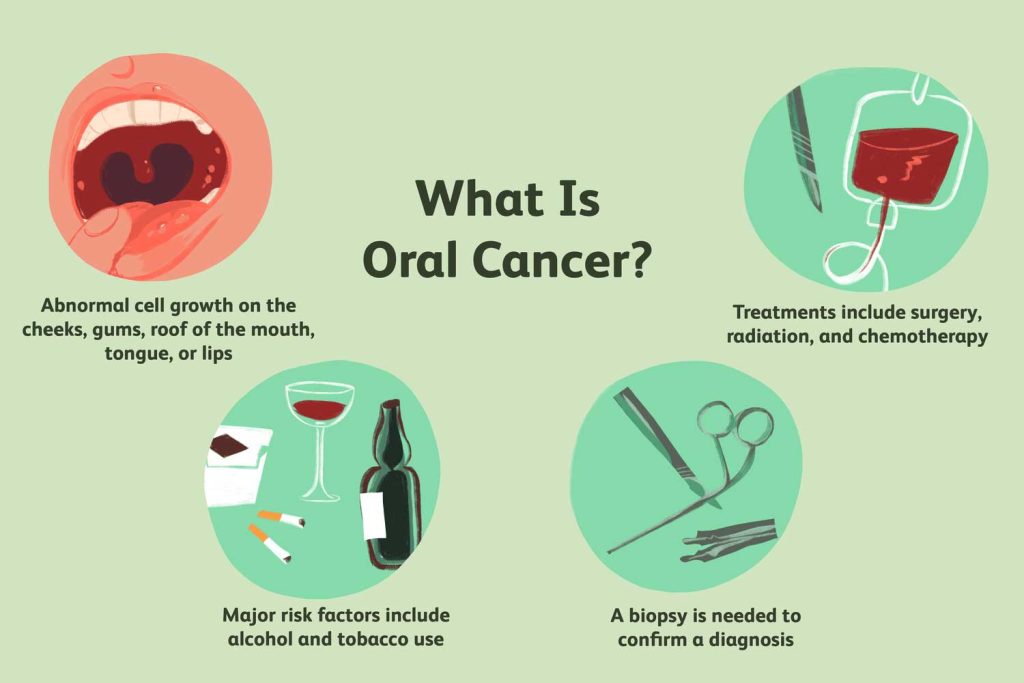
Oral cancers include malignancies in the lips, tongue, gums, floor of the mouth, inner cheeks, and hard palate. Throat cancers (oropharyngeal) often affect the back of the tongue, tonsils, and soft palate. Most are squamous cell carcinomas.
Oral Cancer: Symptoms, Causes, Diagnosis, Treatment, Coping
These cancers can spread quickly because the mouth and throat have rich blood supplies and lymph nodes. HPV (human papillomavirus, especially strain 16) now drives 60–70% of oropharyngeal cases in the U.S., often in younger, non-smoking adults.
Why Early Detection Is a Game-Changer
Early detection is the single most powerful tool against oral cancer. When caught at the localized stage (before spreading), the 5-year relative survival rate reaches 86%. It drops to 69% for regional spread and just 40% for distant metastasis. Overall, 5-year survival hovers around 69.5%, but late diagnosis remains common because early symptoms are subtle or mistaken for minor issues like canker sores.
Why it matters in 2026: Survival rates have improved modestly over decades thanks to better awareness and HPV vaccination trends, but disparities persist—especially among men, certain racial groups, and those without regular dental care. Routine dental visits with visual and tactile screenings can spot precancerous changes (like leukoplakia or erythroplakia) before they become invasive.
Bottom line: A quick 2-minute oral exam during your dental check-up could be lifesaving.
Common Signs and Symptoms of Oral, Lip, and Throat Cancers
Don’t ignore persistent changes in your mouth or throat. Many early signs are painless, which is why regular self-checks and professional screenings are essential.
What You Need to Know About Oral Cancer (Dentist’s View)
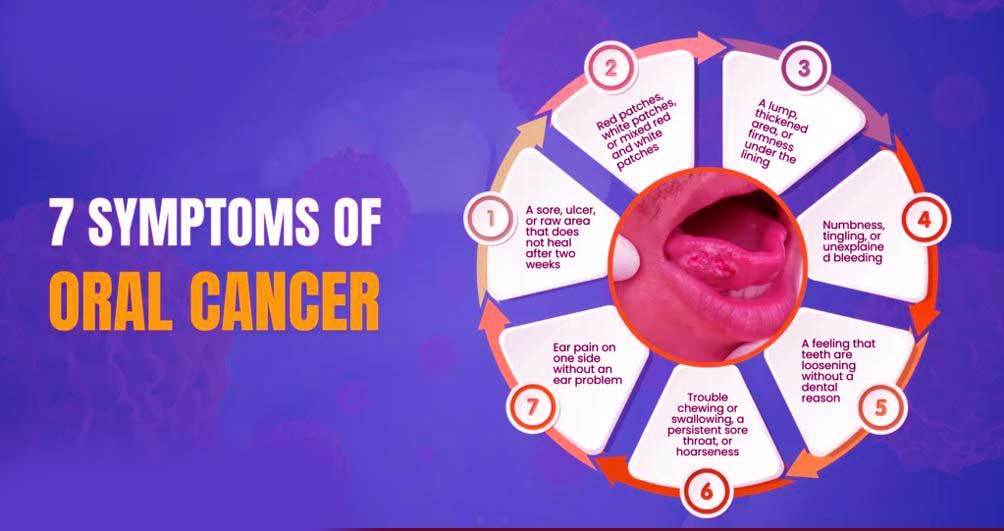
Look for these red flags (lasting more than 2 weeks):
- A sore, ulcer, or raw area on the lip, tongue, or inside the mouth that won’t heal.
- Red, white, or mixed red-and-white patches (erythroplakia or leukoplakia).
- A lump, thickening, or firm spot in the mouth, lip, or neck.
- Unexplained numbness, tingling, or bleeding in the mouth.
- Loose teeth or dentures that no longer fit.
- Persistent mouth pain, ear pain (on one side), or jaw pain.
- Difficulty or pain when swallowing, chewing, or moving the tongue/jaw.
- Hoarseness, persistent sore throat, or voice changes.
- Unexplained weight loss or bad breath.
Pro tip: “What does early oral cancer look like?” → Often a non-healing sore or white/red patch. If you notice any of these, see a dentist or doctor immediately—early action improves prognosis dramatically.
Major Risk Factors for Cancers of the Mouth, Lips, and Throat
Understanding risks empowers prevention. The top culprits include:
- Tobacco use (smoking, chewing, snuff, vaping in some cases) — The #1 risk factor; responsible for most traditional oral cancers.
- Heavy alcohol consumption — Especially dangerous when combined with tobacco (multiplies risk dramatically).
- HPV infection — Primarily causes oropharyngeal (throat) cancers; transmitted through oral sex. It affects younger, non-smoking individuals more often.
- Prolonged sun exposure — Raises lip cancer risk; UV damage is cumulative.
- Poor diet — Low intake of fruits and vegetables (lacking antioxidants).
- Age and sex — Most common after age 45–55; men are at higher risk (about 2:1 ratio).
- Other factors — Poor oral hygiene, chronic irritation from ill-fitting dentures, betel nut/areca nut chewing (in some regions), and family history or weakened immune system.
Important: Even people with no obvious risks can develop these cancers—HPV-related cases prove that.
Effective Prevention Strategies
Prevention is highly effective for oral cancers. Here’s how to lower your risk:
- Quit tobacco completely — The single biggest step. Resources like quitlines and apps make it achievable.
- Limit alcohol — No more than 1–2 drinks per day (or none for maximum protection).
- Get the HPV vaccine — Gardasil and similar vaccines prevent high-risk strains linked to throat cancer. Ideal before sexual activity, but beneficial for many adults too.
- Protect your lips — Use SPF 30+ lip balm daily and wear a wide-brimmed hat outdoors.
- Eat a colorful, plant-rich diet — Aim for 5+ servings of fruits/vegetables daily for natural cancer-fighting compounds.
- Practice good oral hygiene — Brush, floss, and visit your dentist regularly.
- Schedule annual oral cancer screenings — Especially if you have risk factors. Many dental offices offer them as standard care.
These steps can prevent the vast majority of cases tied to lifestyle.
How to Do a Simple Self-Exam at Home
Between dental visits, check yourself monthly:
- Use a mirror and good lighting.
- Look at your lips, gums, tongue (pull it out gently), cheeks, and the roof of your mouth.
- Feel for lumps or changes.
- Note any asymmetry or persistent issues.
If anything looks or feels off, book a professional evaluation right away.
Brief Note on Diagnosis and Treatment
Diagnosis usually involves a biopsy and imaging (CT, MRI, PET scans). Treatment may include surgery, radiation, chemotherapy, or targeted therapies—often a team approach (surgeons, oncologists, dentists). Early-stage options are less invasive and preserve function and appearance better.
How to Get Involved This April
- Share this article and use #OralCancerAwareness.
- Ask your dentist for a free screening event.
- Support organizations like the Oral Cancer Foundation or Head and Neck Cancer Alliance.
- Get vaccinated or encourage loved ones to do so.
- Commit to tobacco-free living and healthy habits.
Take Action Today – Your Mouth Matters
Oral cancer doesn’t have to be a death sentence. With awareness, early detection, and smart prevention, most people can avoid it or beat it when caught soon. This April—and every month—prioritize your oral health. Schedule a dental check-up, talk to your doctor about HPV vaccination, and spread the word.
If you or someone you love has any symptoms listed above, don’t wait. Contact a healthcare provider today. Early detection truly saves lives.
Stay informed, stay proactive, and let’s make oral cancer a thing of the past. Share this guide to help others during Oral Cancer Awareness Month.
Leave a Reply