


Making a choice between traditional braces and clear aligners is a pivotal decision for anyone seeking a straighter smile. Whether you’re a teenager self-conscious about metal brackets or a busy professional in Lagos needing confidential treatment, both options provide excellent outcomes—but they function differently. This thorough guide compares braces and clear aligners across essential aspects, including effectiveness, comfort, cost, treatment duration, lifestyle impact, and more. By the end of this article, you’ll know exactly which option suits your needs. Always consult a licensed orthodontist for a personalized assessment, as individual cases vary.
What Are Traditional Braces?
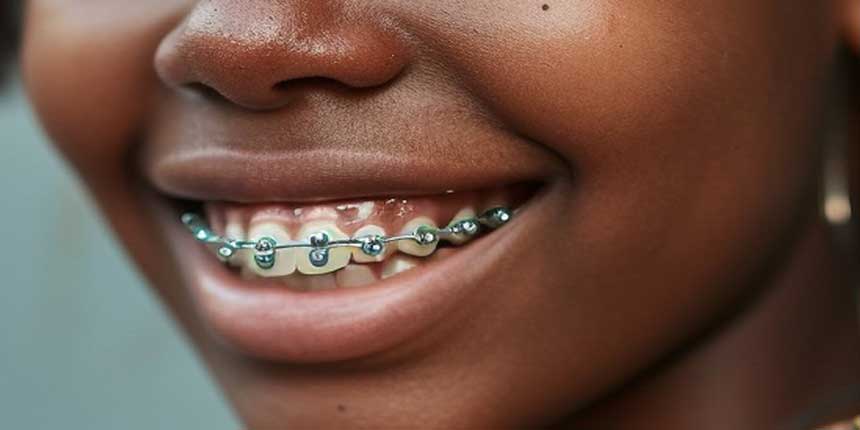
Traditional braces include metal or ceramic brackets attached to the teeth, connected by wires. The orthodontist periodically adjusts the wires, applying steady pressure to gradually move teeth into place. Today’s options span stainless-steel metal braces, discreet tooth-colored ceramic braces, and lingual braces placed behind the teeth.
Braces are fixed appliances—you can’t remove them yourself. They have been the gold standard in orthodontics for decades and excel at handling complex bite issues, severe crowding, rotations, and jaw misalignments.
What Are Clear Aligners?
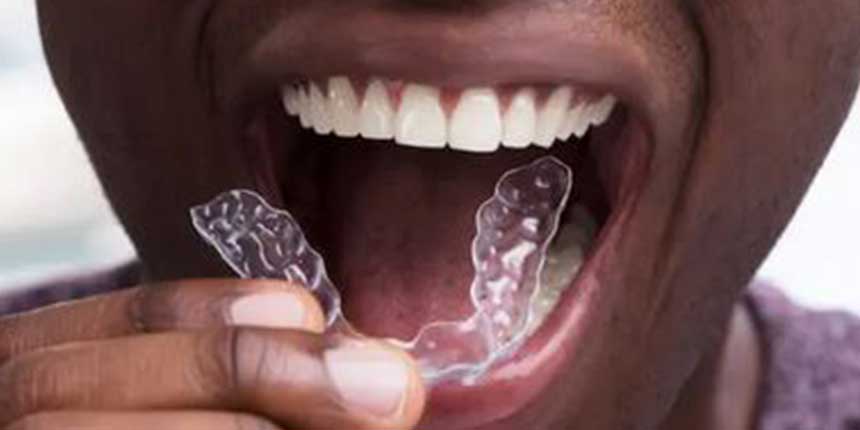
Clear aligners are a series of custom-made, nearly invisible plastic trays that fit snugly over your teeth. You wear each set for 1–2 weeks (20–22 hours per day), then switch to the next. Advanced 3D scanning and AI planning create precise, incremental movements.
Aligners are removable, making them popular for adults and image-conscious teens. They work best for mild to moderate alignment problems, but have expanded in capability with attachments (small tooth-colored bumps) and refinements.
Head-to-Head Comparison: Braces vs. Clear Aligners (2026 Data)
Here’s a clear, side-by-side breakdown based on recent clinical studies and real-world orthodontic practices:
Traditional Braces Clear Aligners Winner?
|
Effectiveness
|
90% success rate; ideal for complex cases (severe crowding, deep bites, rotations, surgical cases) | 88% success rate; excellent for mild-moderate cases | Braces for complex cases |
|
Treatment Duration
|
Average 18–24 months (up to 36 for severe) | Average 12–18 months (often 6 months faster) | Aligners (in many cases) |
|
Aesthetics
|
Visible (metal) or semi-discreet (ceramic) | Nearly invisible clear plastic | Aligners |
|
Comfort
|
Can cause initial irritation, rubbing, ulcers; wax helps | Smoother plastic; less irritation overall | Aligners |
|
Removability
|
Fixed 24/7—no compliance needed | Removable for eating/drinking; requires 20–22 hrs/day discipline | Aligners (lifestyle) |
|
Oral Hygiene
|
Harder—food traps in brackets/wires; needs special tools | Easy—remove to brush/floss normally | Aligners |
|
Office Visits
|
Every 4–8 weeks for adjustments | Every 6–10 weeks (fewer overall) | Aligners |
|
Food Restrictions
|
Avoid hard/sticky/chewy foods | Remove aligners—eat almost anything | Aligners |
|
Suitability
|
All ages, all case complexities | Best for compliant patients; mild-moderate cases | Braces for versatility |
|
Pain/Discomfort
|
Moderate (especially after adjustments) | Milder, but pressure when switching trays | Aligners (slightly) |
Pros and Cons of Each Treatment
Traditional Braces – Pros
- More predictable for complex corrections (no reliance on patient compliance).
- Generally lower cost.
- No risk of losing or forgetting trays.
- Proven long-term track record.
- Can include colored brackets for fun (teens love this).
Traditional Braces – Cons
- Highly visible (unless ceramic/lingual).
- More difficult cleaning → higher risk of plaque, cavities, or gum issues if hygiene slips.
- Dietary restrictions and potential discomfort from wires/brackets.
- More frequent office visits.
Clear Aligners – Pros
- Discreet—perfect for adults, professionals, and image-conscious patients.
- Removable → easier eating, drinking, brushing, and flossing.
- Often, shorter treatment time and fewer appointments.
- Smoother and more comfortable for daily life.
- Better periodontal health during treatment (less irritation to gums).
Clear Aligners – Cons
- Higher upfront cost in many markets.
- Requires strict wear compliance (skipping hours delays results).
- Less effective for very severe or complex cases.
- You must clean aligners daily to avoid staining or odor.
- Potential for relapse if retainers aren’t worn perfectly post-treatment (same as braces, but compliance matters more).
Cost Comparison (Global & Nigeria-Specific, 2026)
Costs vary by location, case complexity, provider, and insurance.
- United States/Europe: Braces $3,000–$7,000; Clear aligners $3,500–$8,500.
- Nigeria (Lagos & major cities): Metal braces ₦800,000–₦2,000,000; Ceramic ₦1,200,000–₦2,000,000; Clear aligners ₦1,500,000–₦3,500,000+ (higher for premium brands with refinements). Public hospitals may offer lower rates for basic metal braces starting around ₦500,000.
Aligners are often 20–50% more expensive due to custom fabrication and technology, but financing plans, insurance, or payment installments are widely available in Lagos clinics. Always ask about packages that include retainers and follow-up care.
Which Is Better for Teens vs. Adults?
- Teens: Braces often win for reliability—teens may forget aligners. Braces handle growth-related bite changes well.
- Adults: Clear aligners dominate because of aesthetics, busy lifestyles, and easier hygiene. Adult teeth move slightly slower, but both work effectively.
Lifestyle & Long-Term Considerations
Both require excellent oral hygiene and lifelong retainers to prevent relapse. Studies show similar long-term stability when patients follow instructions. Clear aligners support better gum health during treatment due to easier cleaning. Braces demand more discipline around diet and cleaning tools (interproximal brushes, water flossers).
Frequently Asked Questions (FAQs) by Patients
These are the most common questions orthodontists hear in 2026 consultations:
1. Do braces or clear aligners hurt more?
Aligners usually cause less overall discomfort—mild pressure when switching trays. Braces can cause soreness after adjustments and cheek irritation initially, but it’s manageable with wax.
2. Which treatment is faster?
Clear aligners often finish 3–6 months sooner (average 12–18 months vs. 18–24 for braces), especially for mild-moderate cases. Complex cases may still favor braces for efficiency.
3. Are clear aligners as effective as braces?
Yes, for most mild-to-moderate cases. Braces remain superior for severe crowding, significant bite corrections, or rotated teeth. Success rates are nearly identical (88–90%).
4. Can I eat normally with aligners?
Yes! Remove them for meals. With braces, avoid hard, sticky, or chewy foods to prevent breakage.
5. How do I clean my teeth with each option?
Aligners: Brush and floss normally after removing trays. Braces: Use special orthodontic brushes, floss threaders, or water flossers—takes longer.
6. Will people notice I’m wearing them?
Aligners are virtually invisible. Metal braces are obvious; ceramic versions are less noticeable.
7. Which is cheaper in Nigeria?
Traditional metal braces are usually more affordable. Clear aligners cost more due to technology, but may save on fewer visits.
8. Can adults get braces or aligners?
Absolutely—nearly 25% of orthodontic patients are adults. Both options work well regardless of age.
9. What happens if I lose an aligner?
Contact your orthodontist immediately. They may provide a replacement or advance you to the next tray. Braces have no “loss” risk.
10. How long do I need retainers after treatment?
Lifelong (nightly or as advised). Both treatments require retainers to maintain results—skipping this is the #1 cause of relapse.
11. Are there any age limits?
No upper age limit. Even seniors can benefit if their gums and bone health allow.
12. Do insurance plans cover them in Nigeria?
Coverage is limited; most are out-of-pocket. Some private health plans or employer benefits may contribute—check with your provider.
How to Decide: Braces or Clear Aligners?
- Choose braces if you have complex orthodontic needs, want the most budget-friendly fixed option, or worry about compliance.
- Choose clear aligners if you prioritize aesthetics, comfort, easy hygiene, and a faster, more flexible lifestyle.
The best choice is the one your orthodontist recommends after a full examination, 3D scans, and X-rays. Many Lagos clinics now offer both and can even combine approaches (e.g., braces for difficult teeth + aligners to finish).
Final Thoughts
Both braces and clear aligners are highly effective modern orthodontic solutions that can transform your smile and boost confidence. Clear aligners lead in convenience and discretion for 2026 patients, while traditional braces remain the reliable workhorse for challenging cases. The key to success in either is choosing an experienced orthodontist and committing to the process.
Ready to start your journey? Book a consultation with a board-certified orthodontist in Lagos or your city today. They’ll create a custom treatment plan tailored to your bite, budget, and lifestyle.
Leave a Reply