

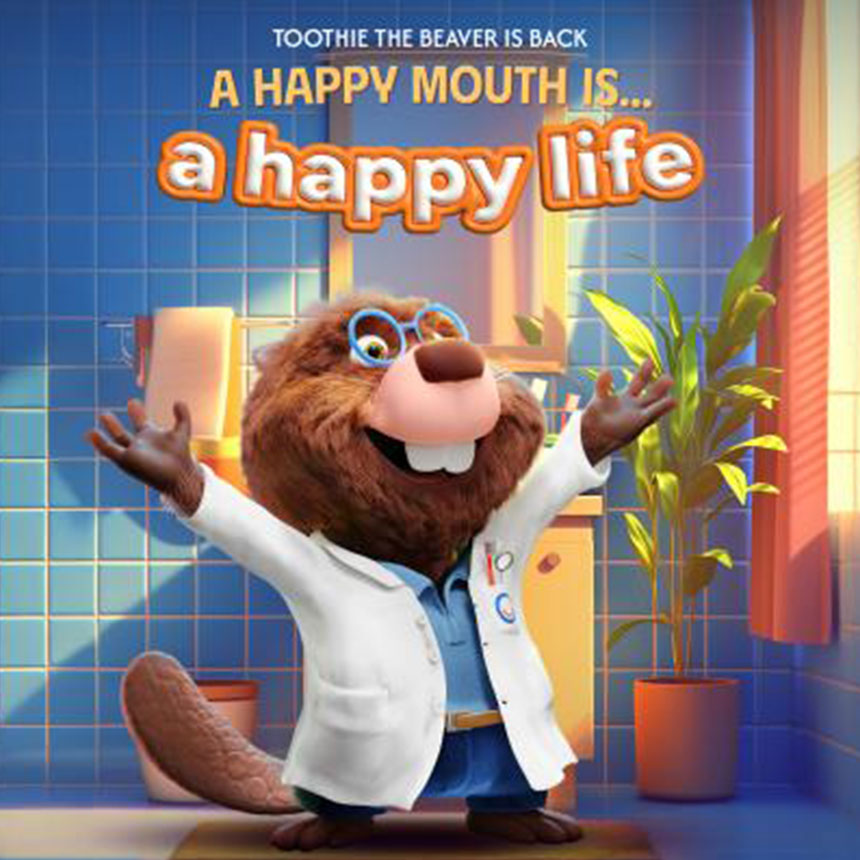
Every year on March 20, the world unites to celebrate World Oral Health Day (WOHD), a global initiative led by the FDI World Dental Federation. This observance raises awareness about oral diseases, promotes prevention, and highlights the importance of good oral health for overall well-being.
In 2026, the official theme is “A Happy Mouth is a Happy Life”. This powerful message caps a three-year “Happy Mouth” campaign (2024–2026) and highlights how caring for your mouth from infancy through older age supports a fuller, more confident life—no matter your background, location, or income level.
What Is World Oral Health Day and Why Does It Matter?
World Oral Health Day, organized by the FDI World Dental Federation since 2007 (originally on September 12, later moved to March 20), addresses a major global health issue. Oral diseases like tooth decay, gum disease, and oral cancers affect billions, causing pain, reduced quality of life, missed work or school, and links to conditions such as diabetes, heart disease, and poor nutrition.
The day empowers individuals, communities, dentists, governments, and organizations to promote prevention, equitable access to dental care, and healthy habits. In 2026, the focus is on a life-course approach, building and maintaining oral health at every stage to achieve lasting happiness and health.
The 2026 Theme Explained: “A Happy Mouth is a Happy Life”
This year’s theme builds on prior years:
- 2024 emphasized oral health’s role in physical well-being.
- In 2025, linked it to mental health (a happy mouth supports a happy mind).
- 2026 ties it all together: a healthy mouth enables joyful eating, clear speaking, social confidence, productivity, and dignified aging.
A “happy mouth” means being free from pain, infection, or embarrassment—allowing you to smile freely, enjoy meals, communicate effectively, and live actively. The campaign mascot, Toothie the beaver, returns to make the message fun and relatable, with resources like videos, songs, and toolkits available on worldoralhealthday.org.
Oral Health Across Life Stages: From Baby Teeth to Golden Years
The 2026 theme stresses lifelong care. Here’s how oral health evolves and why it matters at each phase:
Infancy and Early Childhood (0–6 Years)
- Baby teeth emerge around 6 months; poor care leads to early decay (“baby bottle tooth decay”).
- Habits start here: wiping gums, fluoride toothpaste (rice-grain size), and limiting sugary drinks.
- Healthy early smiles support speech development, nutrition, and self-esteem.
Childhood and Adolescence (7–18 Years)
- Permanent teeth arrive; orthodontics or sports mouthguards may be needed.
- Teens face risks from sugary snacks, energy drinks, and poor brushing.
- Good habits prevent cavities and build confidence for school and social life.
Adulthood (19–64 Years)
- Busy lifestyles lead to neglect; stress, smoking, diet, and conditions like diabetes increase gum disease risk.
- A healthy mouth supports career confidence, relationships, and enjoying food without discomfort.
- Regular check-ups catch issues early.
Older Adults (65+ Years)
- Dry mouth (from medications), receding gums, tooth loss, or denture issues are common.
- Oral health affects nutrition (chewing ability), social interaction, and chronic disease management.
- Maintaining a happy mouth promotes independence and joy in later years.
Key Benefits of a Happy Mouth for Overall Life Quality
- Physical health — Reduces risks of heart disease, stroke, and complications in diabetes/pregnancy.
- Mental and emotional well-being — Boosts self-confidence, reduces anxiety about smiling or bad breath.
- Nutrition and energy — Enables enjoyable, balanced eating for better overall vitality.
- Social and professional life — Clear speech and confident smiles improve interactions and opportunities.
- Economic impact — Prevents costly treatments and lost productivity from pain or absences.
Practical Tips to Achieve and Maintain a Happy Mouth
Follow these evidence-based habits daily:
- Brush twice daily — Use fluoride toothpaste for 2 minutes with a soft-bristle brush.
- Floss or use interdental cleaners — Clean between teeth once a day to remove plaque.
- Limit sugary/acidic foods and drinks — Opt for water; reduce snacking frequency.
- Visit the dentist regularly — At least every 6–12 months for check-ups and cleanings.
- Avoid tobacco and limit alcohol — These increase oral cancer and gum disease risks.
- For special groups — Use age-appropriate products (e.g., low-fluoride for kids, dry-mouth aids for seniors).
- Promote prevention — Encourage family routines and community education.
How to Get Involved in World Oral Health Day 2026
- Share the message on social media with #WOHD2026 or #HappyMouth.
- Advocate for better oral health policies and access in your area.
- Schedule a dental visit this March to start your personal “happy mouth” journey. Enjoy massive discounts on some selected procedures.
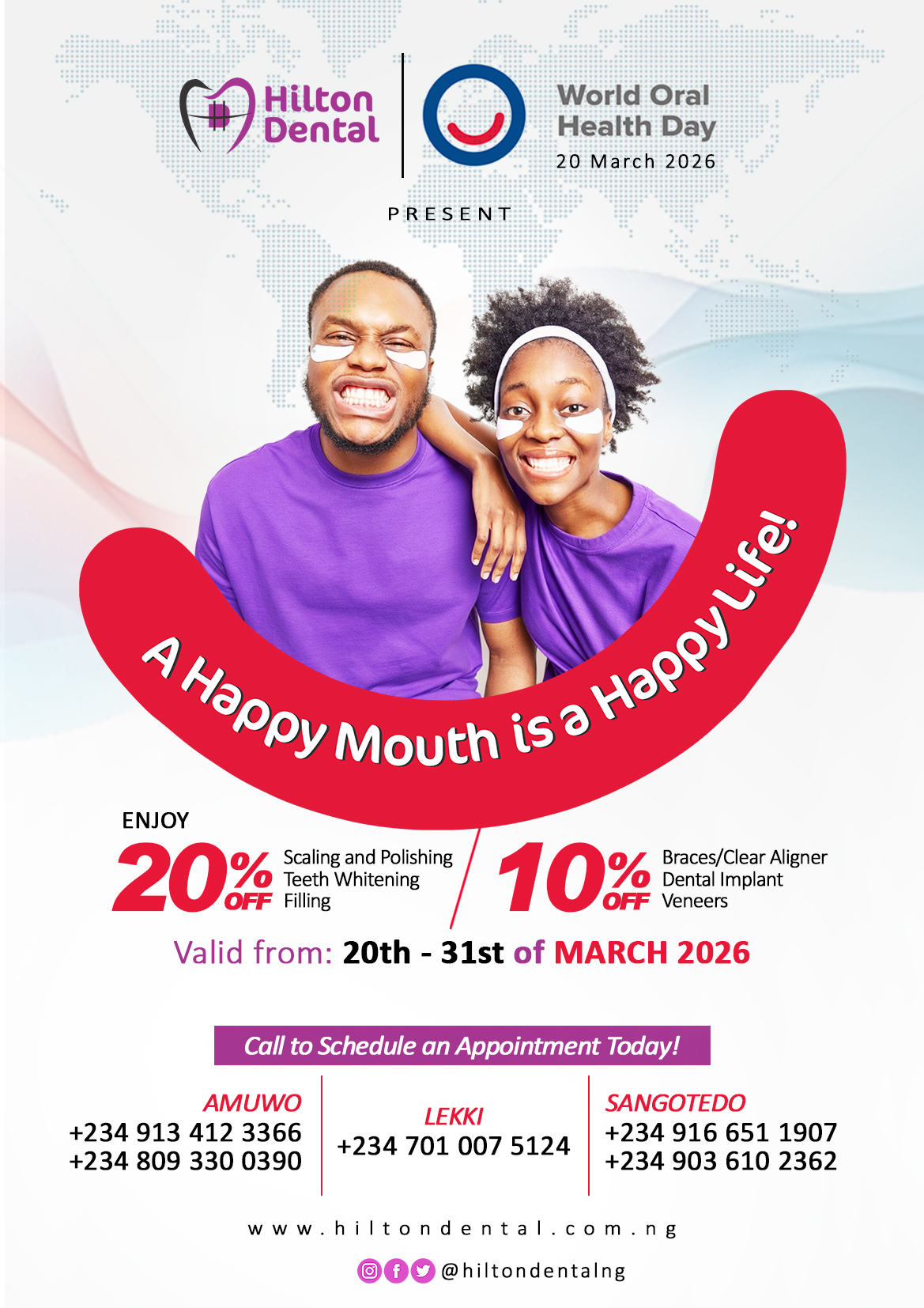
This Friday, March 20, join the global movement. Remember: small daily actions lead to big rewards. A happy mouth truly is a happy life—start building yours today for a healthier, brighter tomorrow.
Leave a Reply