


Tooth decay (dental caries) remains one of the most common chronic childhood diseases—five times more common than asthma, according to the CDC. The good news? Nearly 100% of cavities in children are preventable with the right habits and professional care. This comprehensive guide covers evidence-based strategies to keep your child’s teeth healthy from the first tooth through adolescence. We’ll cover both SEO-optimized parent advice and the latest Answer Engine Optimization (AEO) friendly sections so you can rank in Google’s featured snippets, People Also Ask boxes, and voice search results.
Why Tooth Decay Is So Common in Kids
- Baby teeth have thinner enamel than adult teeth
- Young children often consume frequent sugary snacks and drinks
- Many kids haven’t mastered thorough brushing yet
- Saliva flow is lower during sleep, increasing the acid attack time
Top 10 Proven Ways to Prevent Tooth Decay in Children
1. Start Oral Hygiene Before the First Tooth Appears
- Wipe gums twice daily with a clean, damp gauze or soft cloth after feedings
- Begin brushing as soon as the first tooth erupts, using a smear (rice-grain size) of fluoride toothpaste
2. Use the Right Amount of Fluoride Toothpaste (ADA Guidelines 2024–2025)
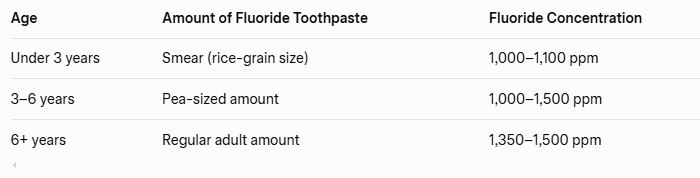
Always supervise brushing until age 7–8 to prevent swallowing toothpaste.
3. Schedule the First Dental Visit by Age 1 (or within 6 months of first tooth)
The American Academy of Pediatric Dentistry (AAPD) and ADA recommend this timing. Early visits:
- Catch problems before they become painful
- Allow application of fluoride varnish (safe and highly effective)
- Help kids feel comfortable with dental care
4. Limit Frequency of Sugary Foods and Drinks (Not Just Total Amount)
Bacteria produce acid for 20–30 minutes after every exposure to sugar. Frequent snacking = constant acid attack.
Worst offenders:
- Sippy cups with juice or milk left out all day
- Sticky candies (gummies, fruit snacks)
- Sports drinks and sodas
Best alternatives:
- Water or plain milk
- Cheese, yogurt (plain), vegetables, nuts
- Fresh fruits instead of dried fruits or juice
5. Apply Dental Sealants as Soon as Possible
Sealants are thin, protective coatings applied to the chewing surfaces of back teeth. They reduce decay risk by up to 80% for 2 years and continue protecting for up to 9 years (Cochrane Review 2023).
- Recommended on baby molars and first permanent molars (usually age 6–7)
- Quick, painless, and usually covered by insurance
6. Use Fluoride Beyond Toothpaste
- Community water fluoridation (reduces decay 25% on average)
- Professional fluoride varnish treatments every 3–6 months (especially ages 0–6)
- Fluoride mouth rinse for high-risk kids age 6+ (prescription or OTC 0.05% NaF)
7. Teach Proper Brushing and Flossing Technique
- Brush 2 minutes, twice daily
- Use a soft-bristled brush (replace every 3 months)
- Angle brush 45° to gums, gentle circles
- Start flossing as soon as two teeth touch (usually around age 2–3)
8. Consider Xylitol Products for High-Risk Children
Xylitol (a natural sweetener in some gums and wipes) starves decay-causing bacteria.
Evidence-based use:
- Chewing xylitol gum 3–5 times daily after meals (for kids 4+ who won’t choke)
- Xylitol wipes or toothpaste for infants/toddlers
- Reduces cavity risk by 30–60% (meta-analysis 2024)
9. Nighttime Bottle/Sippy Cup Rules
- Never put a child to bed with anything except water
- Wean from bottles completely by age 12–14 months
- If breastfeeding to sleep, wipe or brush teeth afterward when possible
10. Regular Dental Check-Ups Every 6 Months
Catching small problems early prevents big pain and expense later.
At what age should a child first visit the dentist? By age 1 or within 6 months after the first tooth appears.
How much fluoride toothpaste for a 2-year-old? A smear the size of a grain of rice (1,000–1,100 ppm fluoride).
Do dental sealants really work? Yes—sealants reduce decay risk by up to 80% on the treated surfaces.
Is juice bad for kids’ teeth? 100% fruit juice counts as a sugary drink. Limit to 4 oz per day maximum and serve only with meals (AAP 2024 guidelines).
Can breastfeeding cause cavities? Extended nighttime breastfeeding without oral hygiene can contribute to “nursing caries,” but breastfeeding itself does not cause decay when proper cleaning follows.
Preventing tooth decay in children is far easier and less expensive than treating it. Starting healthy habits early sets your child up for a lifetime of strong teeth and confident smiles.
Implement just three core habits—proper fluoride use, limiting sugar frequency, and regular dental visits—and you’ll dramatically reduce your child’s cavity risk.
Have questions about your child’s specific situation? Book a consultation with a pediatric dentist today—most offer free or low-cost first visits for infants.
Share this guide with other parents and bookmark it for reference as your child grows!
Leave a Reply