


Your smile is one of the first things people notice — and it can fade faster than you think if everyday oral care habits go wrong. Poor oral hygiene doesn’t just cause bad breath or occasional sensitivity; it leads to cavities, gum recession, yellowing, tooth loss, and even a less confident appearance over time.
The good news? These issues are preventable. Below are the 5 most common oral hygiene mistakes that silently damage teeth and gums, plus exactly how to fix them. Follow these evidence-based tips from dental experts, and you’ll protect your smile for years to come.
Mistake #1: Brushing Your Teeth Too Hard (or With the Wrong Technique)
Many people scrub aggressively, believing it removes more plaque. In reality, brushing too hard wears down protective tooth enamel and pushes gums away from teeth, causing recession.
Why it ruins your smile: Exposed roots become sensitive and prone to decay. Gums look receded (making teeth appear longer or uneven), and weakened enamel leads to staining and cavities. Over time, this can result in costly restorations or a less attractive smile.
How to fix it:
- Switch to a soft-bristled toothbrush (manual or electric with pressure sensors).
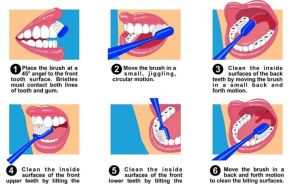
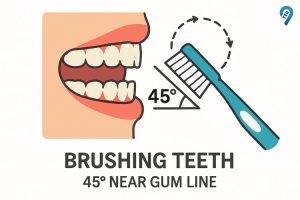
- Hold the brush at a 45-degree angle to the gums.
- Use gentle circular or jiggling motions for 2 full minutes, twice daily.
- Brush your tongue gently at the end.
Mistake #2: Skipping Daily Flossing
Brushing alone only cleans about 60% of tooth surfaces. Food particles and plaque hide between teeth and below the gumline, hardening into tartar that no toothbrush can remove.
Why it ruins your smile: Interdental plaque causes cavities in hidden spots, inflames gums (gingivitis), and eventually leads to periodontal disease. Untreated, this results in bad breath, bleeding gums, shifting teeth, and potential tooth loss — all of which destroy smile symmetry and confidence.
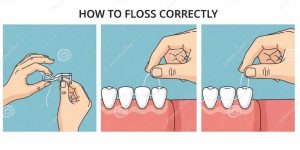
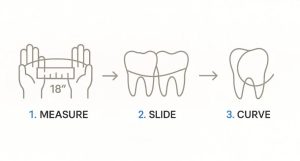
How to fix it: Floss once every day (before or after brushing). Use about 18 inches of floss, wrap it around your middle fingers, and gently slide it between each tooth in a C-shape, scraping both sides. If traditional floss feels tricky, try floss picks, water flossers, or interdental brushes.
Mistake #3: Ignoring Your Tongue
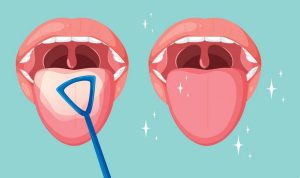
Your tongue acts like a sponge for bacteria, food debris, and plaque. Most people brush their teeth but completely skip the tongue.
Why it ruins your smile: Bacteria on the tongue produce volatile sulfur compounds that cause chronic bad breath (halitosis). They also contribute to overall plaque buildup, increasing the risk of cavities and gum inflammation. A coated tongue can even make your mouth feel unclean, reducing your willingness to smile openly.
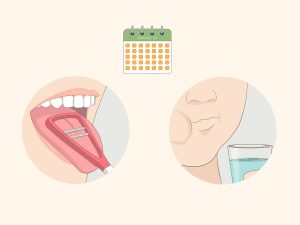
How to fix it: Every time you brush, gently scrape or brush your tongue from back to front. Use a dedicated tongue scraper or the back of your toothbrush. Rinse thoroughly afterward. Do this daily — it takes just 10–15 seconds and dramatically freshens breath.
Mistake #4: Not Replacing Your Toothbrush Regularly
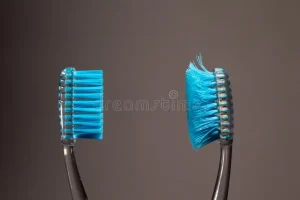
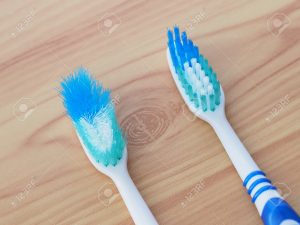
Worn bristles splay out, lose stiffness, and harbor bacteria. Many people keep the same toothbrush for 6+ months without noticing.
Why it ruins your smile: An old toothbrush cleans poorly, leaving more plaque behind. Bacteria buildup on frayed bristles can reintroduce germs into your mouth, accelerating decay, gum disease, and staining. You’re essentially brushing with a less effective, dirtier tool.
How to fix it: Replace your toothbrush (or electric head) every 3 months — or sooner if bristles look frayed or flared. Mark your calendar or set a phone reminder. Choose soft bristles every time.
Mistake #5: Skipping Regular Dental Visits
Even with perfect home care, professional cleanings and exams are essential. Many assume “no pain = no problem” and visit the dentist only when something hurts.
Why it ruins your smile: Home routines can’t remove hardened tartar or detect tiny cavities and early gum disease. Problems grow silently until they require major work — crowns, root canals, or extractions — that alter your natural smile.
How to fix it: Schedule a professional cleaning and checkup every 6 months (or as recommended by your dentist). These visits remove tartar, catch issues early, and give personalized advice.

Extra Tips for a Brighter, Healthier Smile
- Use fluoride toothpaste to strengthen enamel and alcohol-free mouthwash to avoid drying your mouth.
- Limit sugary/acidic snacks and drinks; rinse with water after consuming them.
- Brush after waiting 30–60 minutes if you’ve had acidic foods (to protect softened enamel).
- Stay hydrated — saliva is your mouth’s natural defense.
Following these habits can dramatically reduce your risk of gum disease (which affects nearly 47% of adults over 30) and keep your teeth strong and white.
These five oral hygiene mistakes are easy to make but even easier to correct. Small daily changes — gentler brushing, daily flossing, tongue cleaning, fresh tools, and twice-yearly dentist visits — add up to a lifetime of confident smiles.
Start today: pick one mistake to fix this week. Your future self (and your smile) will thank you.
Frequently Asked Questions
How long should I brush my teeth? Two full minutes, twice a day — use a timer or electric brush with a built-in timer.
Is flossing really necessary if I use mouthwash? Yes. Mouthwash cannot replace the mechanical action of flossing to remove plaque between teeth.
What’s the best toothbrush for sensitive gums? A soft-bristled one (manual or electric) used with gentle circular motions.
How can I tell if my toothbrush is worn out? Bristles look frayed, splayed, or discolored — change them immediately.
Can poor oral hygiene affect my overall health? Absolutely. Untreated gum disease has been linked to heart issues, diabetes complications, and more.
Protect your smile starting now — it’s one of the best investments in your confidence and health. If you have specific concerns, consult your dentist for personalized guidance.
Leave a Reply